Living without electricity
A prolonged power outage changes daily life completely. This practical guide covers lighting, cooking, water, food preservation, heating, hygiene and DIY solutions for the first days without electricity.
A prolonged power outage changes everything
Without electricity, the systems we take for granted stop. Fridge, heating, communications, lighting. This guide helps you adapt during the first days, with practical and affordable solutions.
Priority timeline
First 4 hours
- Check on vulnerable neighbours (elderly, ill, young children)
- Unplug sensitive electronics (computers, televisions) to prevent damage from power surges
- Use LED torches instead of candles (lower fire risk)
- Check available water and food supplies
12 hours
- Consume perishable food from the fridge before it spoils
- Set up alternative lighting for the night (torches, solar lanterns)
- Charge your phone and essential devices with a power bank
- Listen to battery-powered radio for official updates (Antena 1: 95.7 FM Lisbon)
24 hours
- Keep the freezer shut. A full freezer stays cold for 24 to 48 hours, half full about 24 hours
- Cook with a camping gas stove or barbecue (outdoors only)
- Check the radio for estimated power restoration times
- Save phone battery: aeroplane mode, minimum brightness, essential calls only
48 hours
- Transfer freezer food to a cool box with ice (if available)
- Begin rationing water if the mains supply is compromised
- Check medications that require refrigeration
- Maintain a daily routine to reduce anxiety, especially for children
72 hours or more
- Activate your family communication plan (meeting point, emergency contacts)
- Consider relocating to a relative's home with power, if necessary
- Assess the need for external help for dependent household members
- Verify whether tap water remains safe to drink
1 week or more
- Contact Civil Protection (ANEPC) if you need assistance: prociv.pt
- Organise a community response with neighbours (share resources, keep watch)
- Document damage and losses for potential support claims
- Report the situation to E-REDES or your local electricity distributor
Lighting
LED torches
Your first lighting resource. Safe, efficient and long-lasting. Keep spare batteries always in stock (preferably AA or AAA). Models with a hand crank or solar panel eliminate battery dependence.
- Have at least one torch per main room
- Headlamps keep your hands free for tasks
- Lithium batteries last longer and perform better in cold weather
Candles
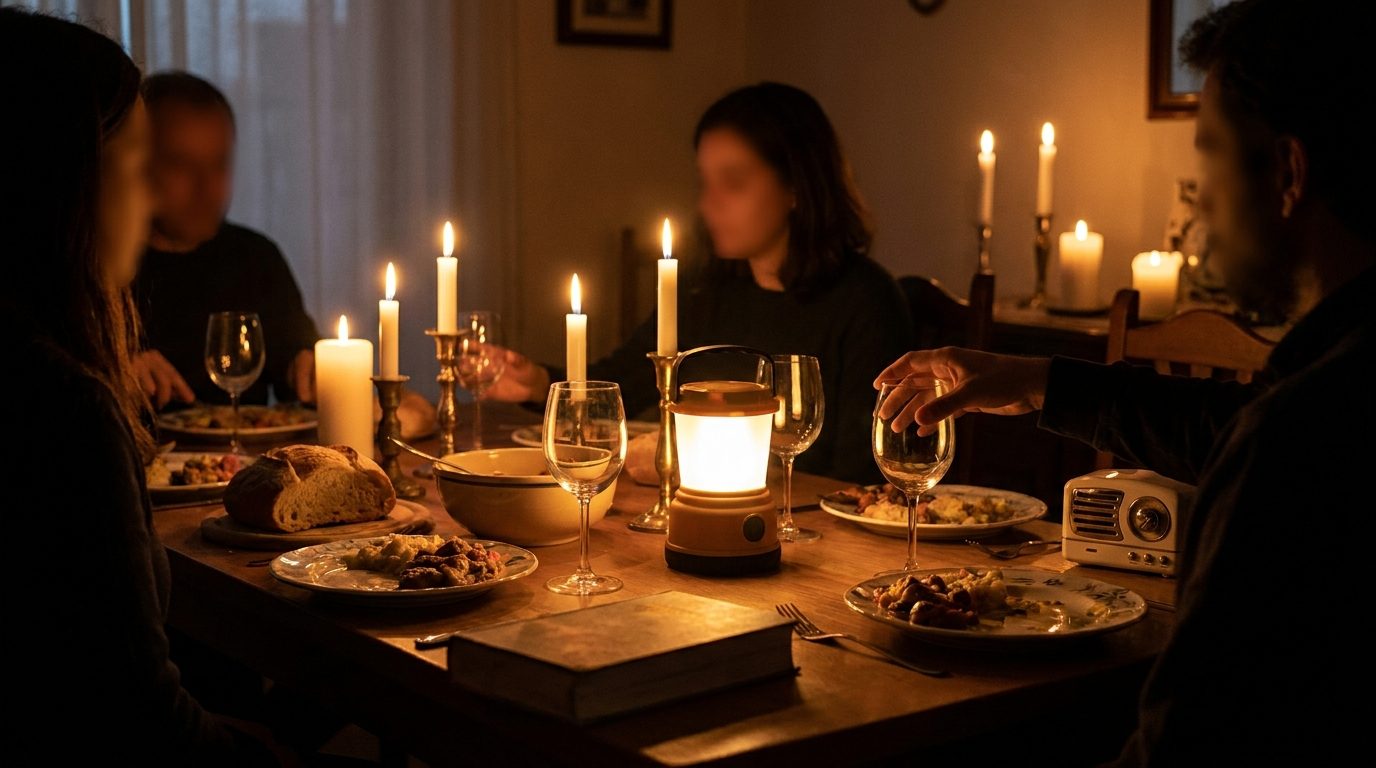
A traditional alternative, but with risks. NEVER leave candles burning unattended. High fire risk, especially with children or pets in the house.
- Always use a stable, non-flammable holder
- Keep away from curtains, paper and textiles
- Extinguish before sleeping or leaving the room
Solar garden lights
A free and renewable solution. Place them outside during the day and bring them indoors at night. Most provide 6 to 8 hours of soft light.
- No fuel or battery costs
- Safe for children and enclosed spaces
- Keep 3 to 5 units per household
Paraffin or kerosene lamps
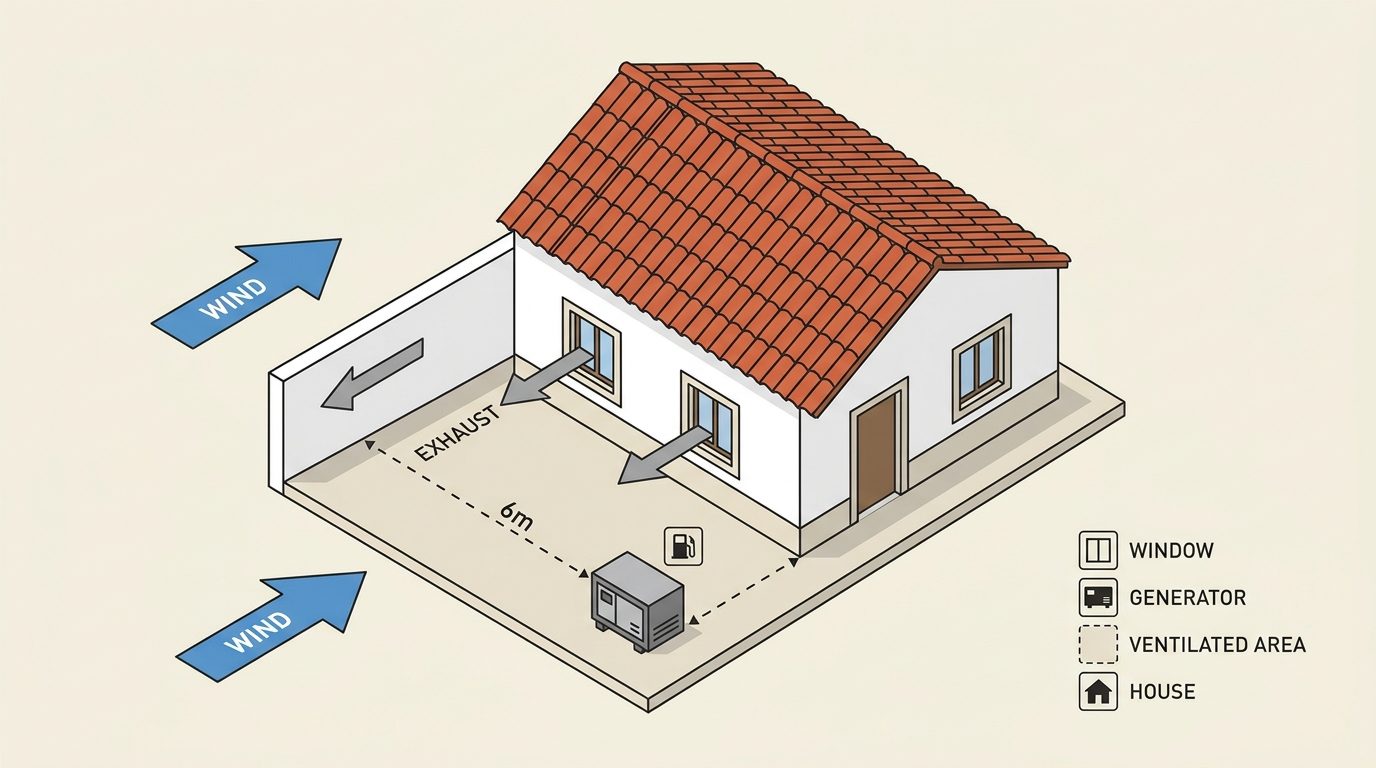
Provide good illumination but require care. Always use with adequate ventilation to prevent carbon monoxide (CO) build-up.
- Never use in fully enclosed spaces
- Store fuel safely in approved containers
- Burn risk: keep out of reach of children
Cooking without electricity
Camping gas stove
The most practical and versatile solution. Small gas canisters (CV 470 type or similar) are affordable and easy to store. One canister lasts approximately 1 to 2 hours of continuous cooking.
- Use in a ventilated area or near an open window
- Keep at least 4 to 6 spare canisters
- Save gas: use a lid, cut food into small pieces
Barbecue
Good for meals, but outdoors only. Never use charcoal or gas indoors due to carbon monoxide poisoning risk.
- Works with charcoal, briquettes or firewood
- Use at least 2 metres from walls and roofs
- Cook larger batches to save fuel
Alcohol stove
Compact and lightweight. Ethyl alcohol is easy to find and store safely. Ideal for heating water and simple meals.
- Never refuel while the stove is still hot
- Use on a stable, non-flammable surface
- Store alcohol in a sealed container away from heat
DIY solar oven
Works in summer and on sunny days. No fuel costs. Simple construction using cardboard, aluminium foil and clear plastic wrap.
- Reaches 80 to 120 degrees Celsius (ideal for slow cooking)
- Takes 2 to 4 hours for a meal
- Safe, with no fire or gas risks
Water
Storage
The minimum recommendation is 3 litres per person per day (drinking and cooking). For a family of 4 over 3 days, you need at least 36 litres.
- Use food-grade containers (5L bottles or approved water containers)
- Replace stored water every 6 months
- Store in a cool, dark place away from chemicals
- Fill the bathtub as soon as the outage begins (reserve for hygiene)
Purification
If tap water is no longer safe, there are simple purification methods:
- Boiling: boil for 1 minute (3 minutes above 2000m altitude). The most reliable method
- Tablets: water purification tablets (Micropur, Aquatabs). Follow manufacturer instructions
- Portable filters: LifeStraw or Sawyer Mini filter bacteria and protozoa
- Bleach: 2 drops of unscented bleach per litre of water, wait 30 minutes
DIY filter (last resort)
If you have no access to other methods, you can improvise a filter with layered materials. This removes particles and improves water appearance, but does not eliminate all pathogens. Always boil after filtering.
- Top layer: fine sand
- Middle layer: gravel
- Bottom layer: activated charcoal (crushed charcoal briquettes work)
- Pass water through the filter and then boil for 1 minute
Food preservation
Consumption priority
- First: fresh perishables (dairy, meat, fish). Consume within the first 4 hours after the outage
- Second: frozen food. A closed freezer keeps cold for 24 to 48 hours (a full freezer lasts longer)
- Third: tinned food, canned goods and dry foods (rice, pasta, biscuits, nuts). These last weeks or months
Food safety rules
- Do not open the fridge or freezer unnecessarily. Each opening reduces conservation time
- Meat, fish or dairy that has been above 5 degrees for more than 2 hours should be discarded
- When in doubt, throw it out. Food poisoning without hospital access is extremely dangerous
- Alternative preservation methods: salting, smoking, sun-drying and pickling with vinegar can extend food life
Heating and cooling
Winter (staying warm)
- Emergency blankets: retain 90% of body heat, fit in a pocket
- Sleeping bags: effective down to sub-zero temperatures (check the rating)
- Window insulation: blankets, towels or bubble wrap on windows reduce heat loss
- Gather the family in one room: close doors to unused rooms to conserve warmth
- Catalytic heater: runs on gas, no open flame. Always use with adequate ventilation
- Layer your clothing: several thin layers are more effective than one thick layer
Summer (staying cool)
- Cross-ventilation: open windows on opposite sides of the house to create airflow
- Damp towels: place on forehead, neck, or hang in front of a window
- Drink water regularly: stay hydrated even if you do not feel thirsty
- Seek shade: close shutters on the sunny side, open on the shaded side
- Avoid physical effort: during the hottest hours (12:00 to 16:00), reduce activity
- Cold water baths: cool the body quickly using very little water
Hygiene without mains water
Maintaining hygiene with limited resources
Allow a minimum of 5 litres per person per day for basic hygiene (washing hands, face and body). Hygiene is essential for preventing illness, especially in prolonged situations.
- Wet wipes: an effective alternative to bathing. Keep at least 2 packs in stock
- Hand sanitiser (alcohol-based): for when water is unavailable. Minimum 60% alcohol content
- Improvised latrine: bucket with a heavy-duty bin bag, cover each use with sand, sawdust or soil. Seal between uses
- Hand washing: the absolute priority. Before eating, after using the latrine, after handling waste
- Waste: keep sealed in closed bags, away from the food area. In heat, double-bag
Medication
Special attention to medication
- Insulin: remains stable for up to 28 days at room temperature (below 30 degrees), without refrigeration. Never freeze
- Prioritise essential medication: blood pressure, anti-epileptic, cardiac and psychiatric medication must not be interrupted
- Updated list: keep a list of all medications, dosages and schedules. Share with a family member
- Safety stock: keep at least 7 days of essential medication in reserve
- Doctor's contact: have your GP's number and the emergency number (112) accessible without a phone
Simple DIY projects
USB solar charger
A small solar panel (5 to 10W) with a USB controller can charge phones and torches. Approximate cost: 15 to 25 euros.
- A 5W panel charges a phone in 3 to 5 hours of direct sunlight
- Combine with a power bank for use at night
- Available at camping shops and online
Emergency candle (tuna tin)
A tin of tuna in olive oil (do not drain). Make a small hole in the centre, insert a cotton wick (strip of cloth). Light it. Burns for 2 to 3 hours.
- Use a shallow tin (not deep) for better stability
- The tuna remains edible afterwards
- Also works with any vegetable or animal fat
Terracotta pot heater
Two terracotta pots inverted over candles. The clay absorbs heat and radiates it slowly. Warms a small area (desk, table).
- Use only in a ventilated space (CO risk from candles)
- Does not replace a real heater, but helps in emergencies
- Place on a heat-resistant base (tile, brick)